
• Policy Paper
  • Publication

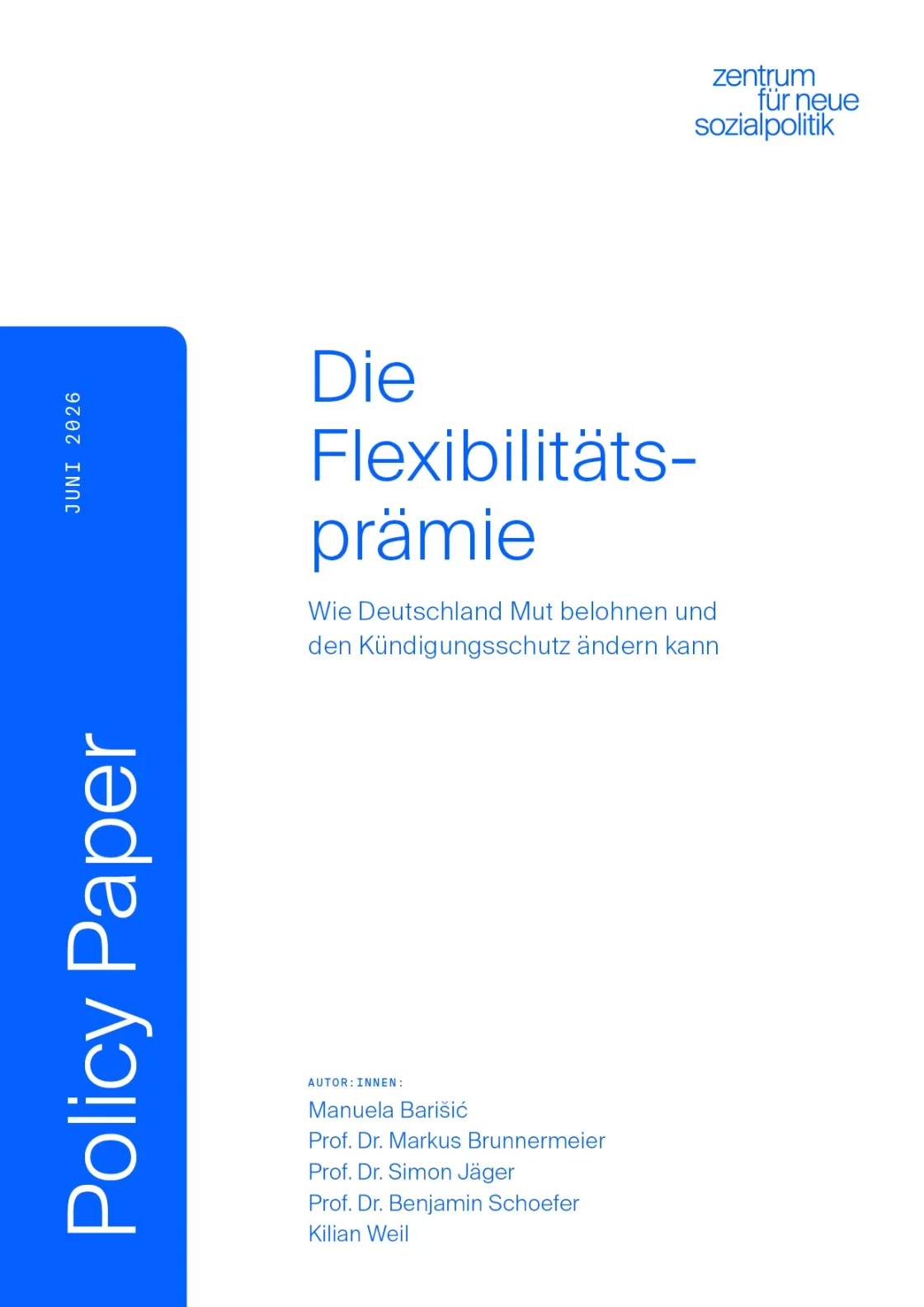
The Flexibility Bonus

Summary

Employees above the social security contribution ceiling should in future be able to choose for themselves whether to invoke statutory employment protection or waive it in exchange for a negotiable flexibility bonus.

The starting point for this proposal is a design flaw in current employment protection law: it protects the individual job, not the employee’s career trajectory. Because its value grows with length of service and is lost when changing employers, it raises the opportunity cost of switching jobs and thus dampens labour market mobility.

In a faster-changing economy — where employees increasingly need to change companies, industries or even occupations — this low mobility is becoming a growing risk to productivity, innovation and economic dynamism. This paper brings together the empirical evidence for this diagnosis and develops from it a narrowly scoped reform proposal, with the aim of better reconciling security and mobility.

Key findings

  • German employment protection has a design flaw: it protects the job, not the career. Because its value erodes the moment someone switches, it acts as an implicit tax on voluntary job changes. In a faster-changing economy, this low mobility is becoming an increasing risk to productivity, innovation and economic dynamism.
  • The proposal: employees above the social security contribution ceiling should be able to choose at the point of contracting — standard employment protection, or an at-will employment relationship in exchange for a negotiable flexibility bonus. Those who prefer security keep it. Those who want to move are compensated for the risk they take on.
  • Pay transparency is a prerequisite for the choice to be fair: without it, an employer could lower the base salary and pay the full wage only to those who waive their protection.
  • The goal is not to reduce protection, but to shift it from the job to the person.

Autor:innen

Manuela Barisic
Foto

Manuela Barišić

Policy Fellow

Manuela Barišić is a Policy Fellow at ZSP.

Siluette, da Bild von

Prof. Markus Brunnermeier

Economist International Financial Markets and Macroeconomics

Prof. Markus Brunnermeier is the Edwards S. Sanford Professor in the Department of Economics at Princeton University and Director of the Bendheim Center for Finance. His research focuses on international financial markets and macroeconomics.

Portraie

Prof. Simon Jäger

Senior Fellow

Prof. Simon Jäger is a Senior Fellow at the ZSP.

Siluette, da Bild von

Prof. Benjamin Schoefer

Economist Macroeconomics and Labour Markets

Prof. Benjamin Schoefer is Associate Professor in the Department of Economics at UC Berkeley and Director of the Macro Labor Center. His research bridges macroeconomics and labour market economics.
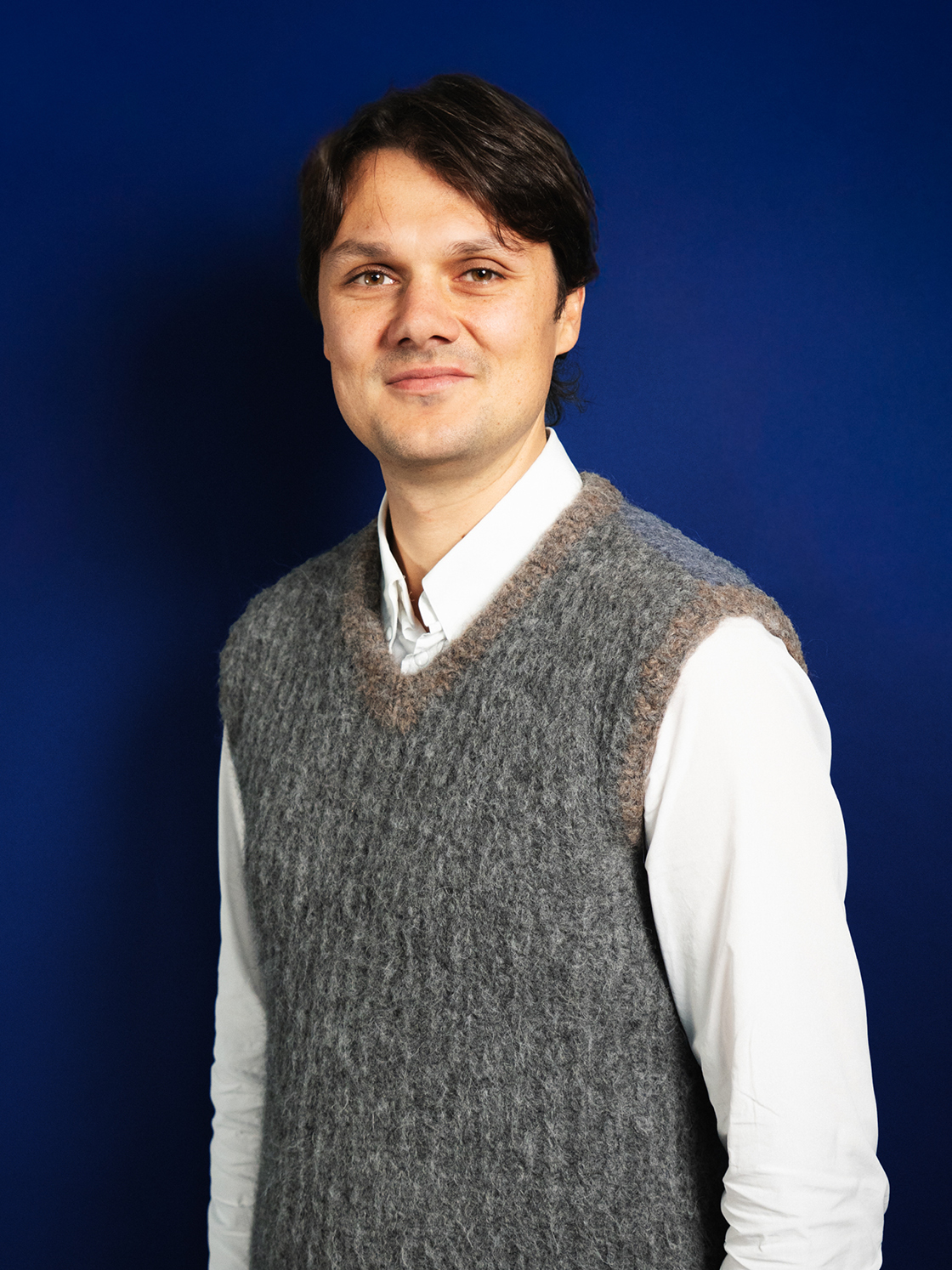

Kilian Weil

Senior Project Manager

Kilian Weil analyzes labor market reforms and flexible institutions at the ZSP together with Simon Jäger and is a doctoral candidate at the Hertie School.