
- Studies
- Publication
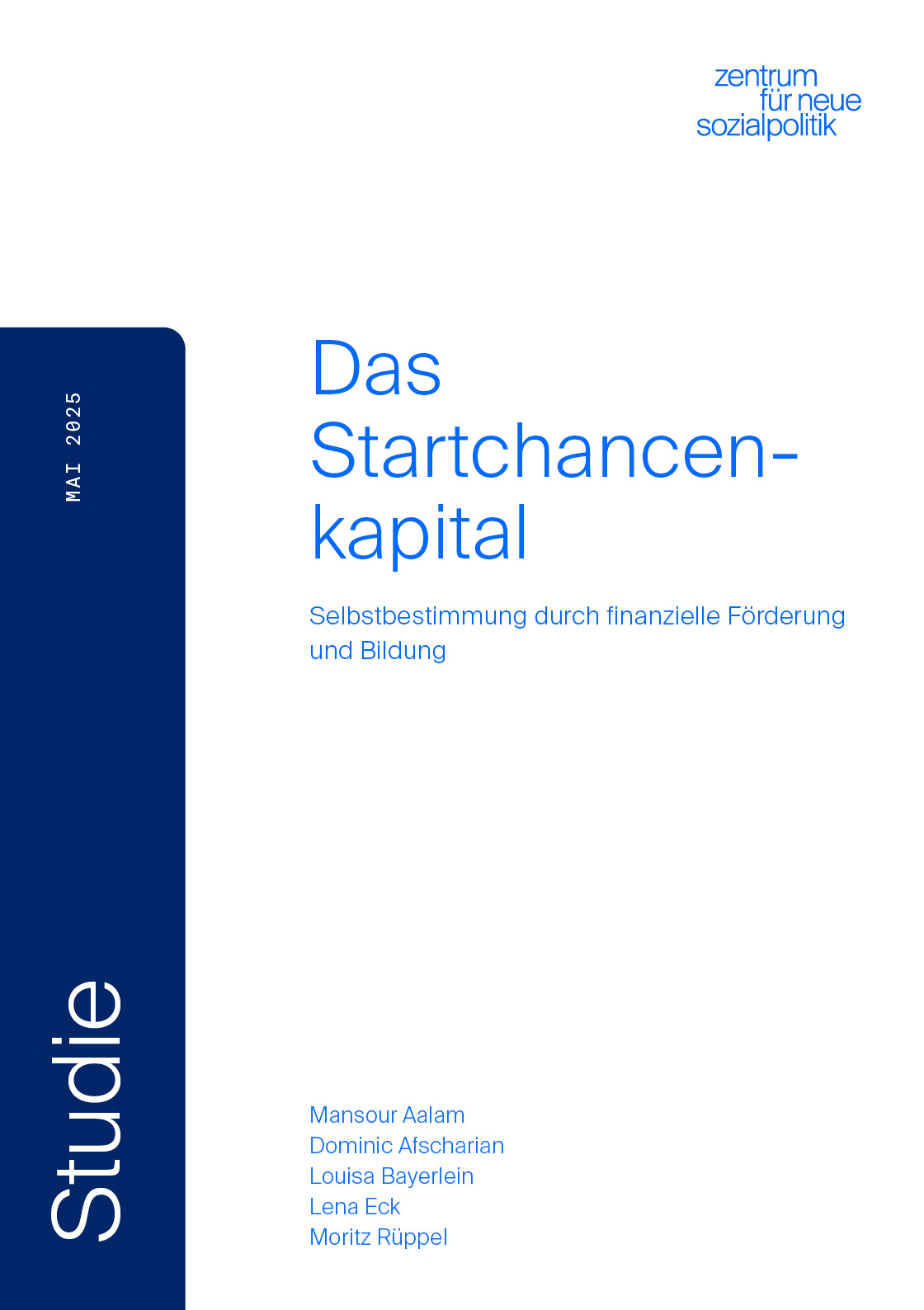
The Initial Capital
Published
July 8, 2025

Contact
Judith Straub
Summary
Opportunities are unevenly distributed in Germany. Despite considerable efforts, many people are unable to accumulate enough wealth to enable them to live independently.
According to our survey, 71% of Germans believe that the state should do more to give all young people the same opportunities to start their lives. 78.8% would like to see more government action to enable social advancement through individual achievement.
In order to reduce inequality of opportunity, we propose an Initial Capital that enables socially disadvantaged individuals to make self-determined decisions. It combines financial start-up assistance for young people with financial education:
- The state invests a certain amount of money in the capital markets for young people in the years before they reach the age of majority. The investment, which has grown over time, is transferred to young adults as a securities account upon reaching the age of majority, subject to a means test.
- The amount of the transferred subsidy is graded according to the parents’ assets or, if this is not possible, their income. The portfolio can be used for securities trading from the 18th to the 21st birthday, but cannot be paid out initially. After that, the subsidy amount may be used freely.
- Before reaching the age of majority, young people are given access to a simulated securities account, accompanied by training courses, to familiarise themselves with investing.
- A nationwide financial literacy certificate is being introduced to combine a harmonised minimum level of financial education with educational incentives.
Team

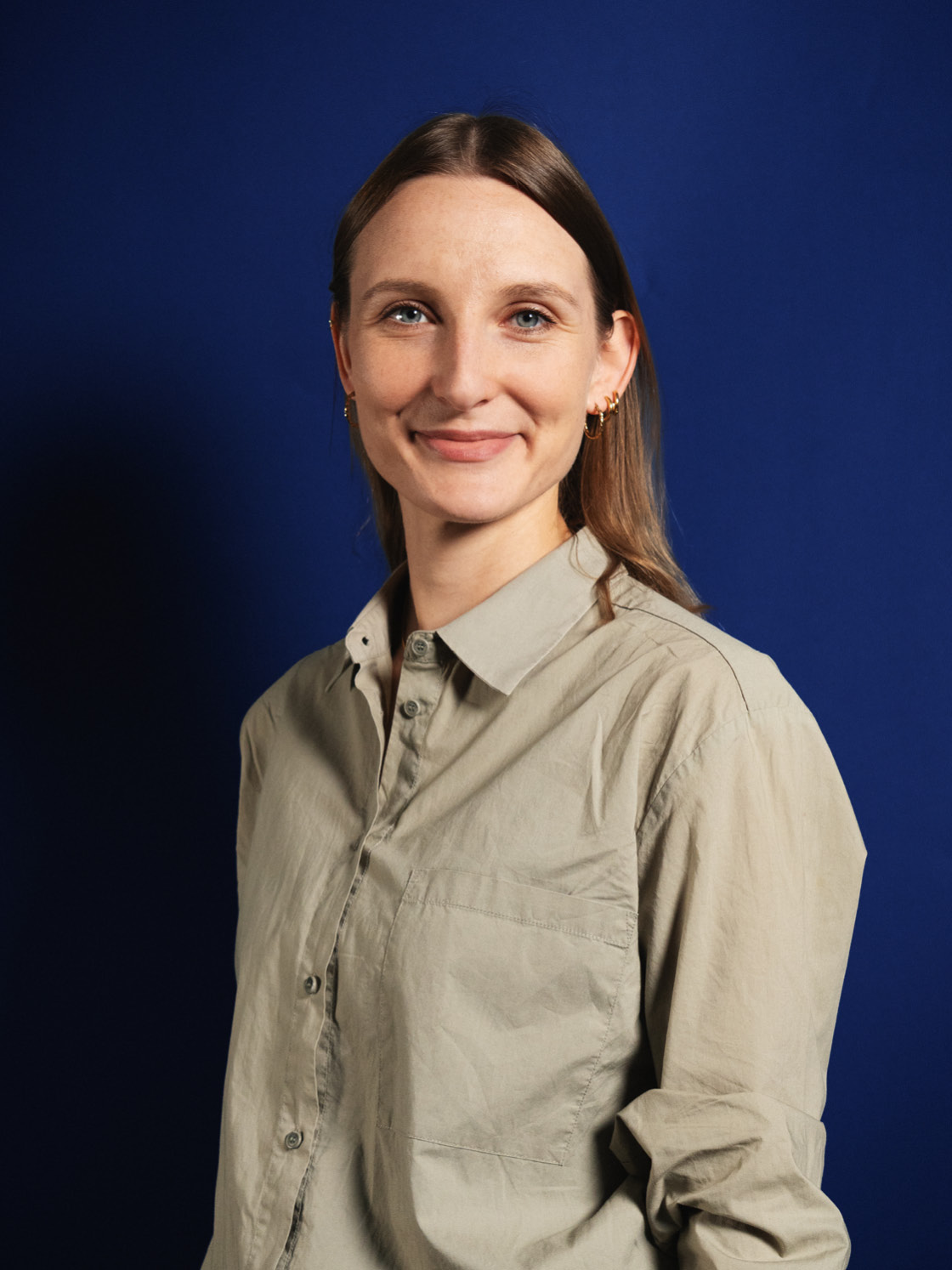


Moritz Rüppel
Moritz Rüppel heads the Sustainable Welfare State division. His work focuses on the political and strategic orientation of the department, proactively setting the agenda for the topics it addresses, and transferring research findings to the parliamentary and pre-political arena. Moritz also represents the department in dealings with political actors.